Implementation starts with your current program.
BackflowCore.ai implementation is centered on practical rollout work: getting the registry right, aligning tester requirements, configuring submission and notice workflows, and giving managers a clear starting view of the program.
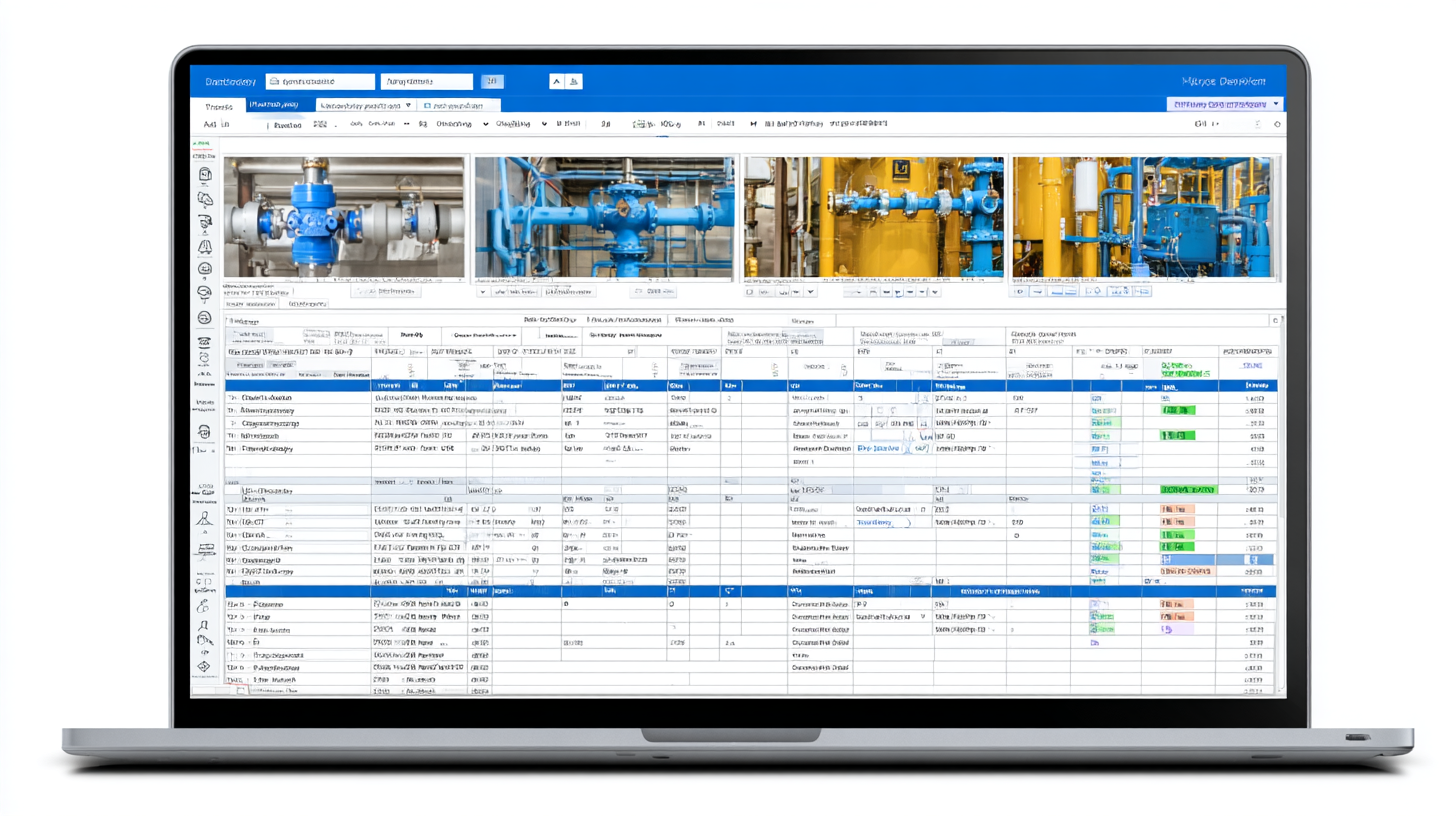
Registry setup
Review assembly and property sources, align due cadence, hazard class, ownership data, and location context.
Tester onboarding
Define approval requirements, credential evidence, calibration expectations, and submission readiness controls.
Submission and review flow
Set up device-specific forms, review patterns, auto-approval rules, and correction loops around the workflows you actually run.
Dashboards and reporting
Make sure managers can see compliance posture, review workload, notice activity, and open risk without waiting for manual rollups.
Early rollout is usually about data readiness, workflow setup, and role clarity.
Every program starts from a different place, but the same workstreams tend to matter first: record quality, tester intake, compliance policy, and how the team will review and act on the data.
- Normalize the assembly and property baseline so staff start from a current registry instead of parallel lists.
- Confirm how testers will be verified, what supporting evidence is required, and how submissions should arrive.
- Align notice stages, overdue handling, failed-test follow-up, and reporting expectations with local policy.
- Define who needs full administrative access, who needs scoped visibility, and what managers should see at launch.
Inventory and policy discovery
Understand the current registry, record sources, testing cadence, hazard classification, and communication policy.
Configuration and validation
Set up records, tester requirements, intake flow, notice rules, and early reporting views so the workflow is coherent before launch.
Early operating support
Support the first live cycles while staff review submissions, verify records, and tune the workflow around real use.
Most rollouts start with a focused first cycle.
The goal of early rollout is not to perfect every edge case up front. It is to stand up a clean baseline, validate the workflows staff will use first, and support the first live cycle with a current operating view.
Baseline the registry and policy settings
Import or reconcile core property, assembly, due-date, and ownership data while aligning tester, notice, and approval policy.
Validate the workflow before live use
Check form routing, tester readiness rules, notice cadence, and the dashboard views managers will rely on immediately.
Support the first live cycle
Work through the first round of submissions, review decisions, and follow-up so the team starts from a usable operating rhythm.
Early programs can help shape rollout.
The founding cohort is for teams that want closer access while implementation and workflow patterns are still being refined around real utility conditions.
- Registry migration planning Align the existing assembly inventory, ownership data, and due-date rules with the record model.
- Tester workflow setup Clarify readiness, verification, and submission expectations before rollout creates avoidable exceptions.
- Operational feedback Use real launch conditions to improve the implementation model for future utility teams.