Practical guides for backflow programs.
Use these resources to benchmark registry quality, tester readiness, submission control, compliance notices, and modernization priorities against a real utility operating model.
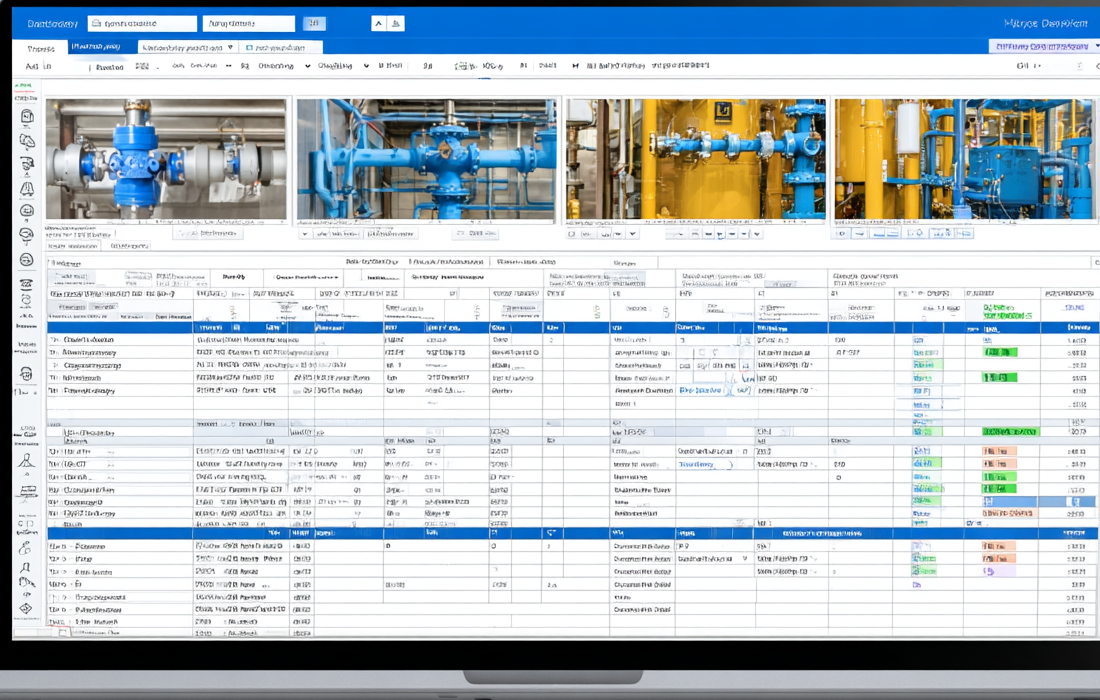
Start with the annual testing workflow.
The strongest place to begin is often the record chain utilities have to maintain all year: assemblies, due dates, tester credentials, failed tests, follow-up, and reporting.
- Program foundations Annual testing, registry quality, and the records utilities need to maintain.
- Modernization Spreadsheet replacement, workflow pressure, and when a structured platform becomes worth evaluating.
- Communications Notices, reminder cadence, and compliance follow-up that does not depend on side lists.
Annual Backflow Testing Requirements: What Water Utilities Need to Track
A practical breakdown of the records utilities need to manage across device inventory, due dates, failures, tester readiness, and reporting.
Why Spreadsheets Are Costing Your Backflow Program More Than You Think
How manual entry, version drift, and disconnected records create hidden cost and weaker operational control.
5 Signs Your Backflow Program Is Overdue for a Digital Upgrade
Five symptoms that usually signal the program has outgrown paper forms, email threads, and fragmented follow-up.
How Automated Notifications Improve Backflow Compliance Rates
Why reminder sequences, tester alerts, and communication traceability improve annual compliance follow-up.
Turn reading into an evaluation path.
The guides explain the pressure points. The next step is to connect them to the workflow your team wants to improve first.
- Utility leaders Start with annual testing, then move into implementation, dashboards, and reporting.
- CCC managers Pair modernization and notification guides with submission, review, and notice workflows.
- Tester-facing evaluations Review tester workflow expectations, then request a walkthrough of intake and correction loops.